SIFA, short for Samvirkende Idræts-Foreninger Aalborg, is a Danish-market bingo brand operating under a licence from Spillemyndigheden, the Danish Gambling Authority. This review explains what the brand offers, how bingo works from a mathematical standpoint, and what players should check on safety, fairness and responsible play before registering.
Brand Overview and Target Market
SIFA is aimed at players in Denmark and the site is presented in Danish. Its core vertical is casino-style gaming, with bingo as the game type on offer. That makes it a niche product compared with large multi-vertical casinos, and it suits players who prefer a simple, social format over complex slot mechanics.
Because the site is built for the Danish market, it is intended for residents of Denmark. Payment methods, supported currencies and any promotions should be confirmed directly on the operator's site and in its terms before you deposit.
How Bingo Works and What It Means for Your Bankroll
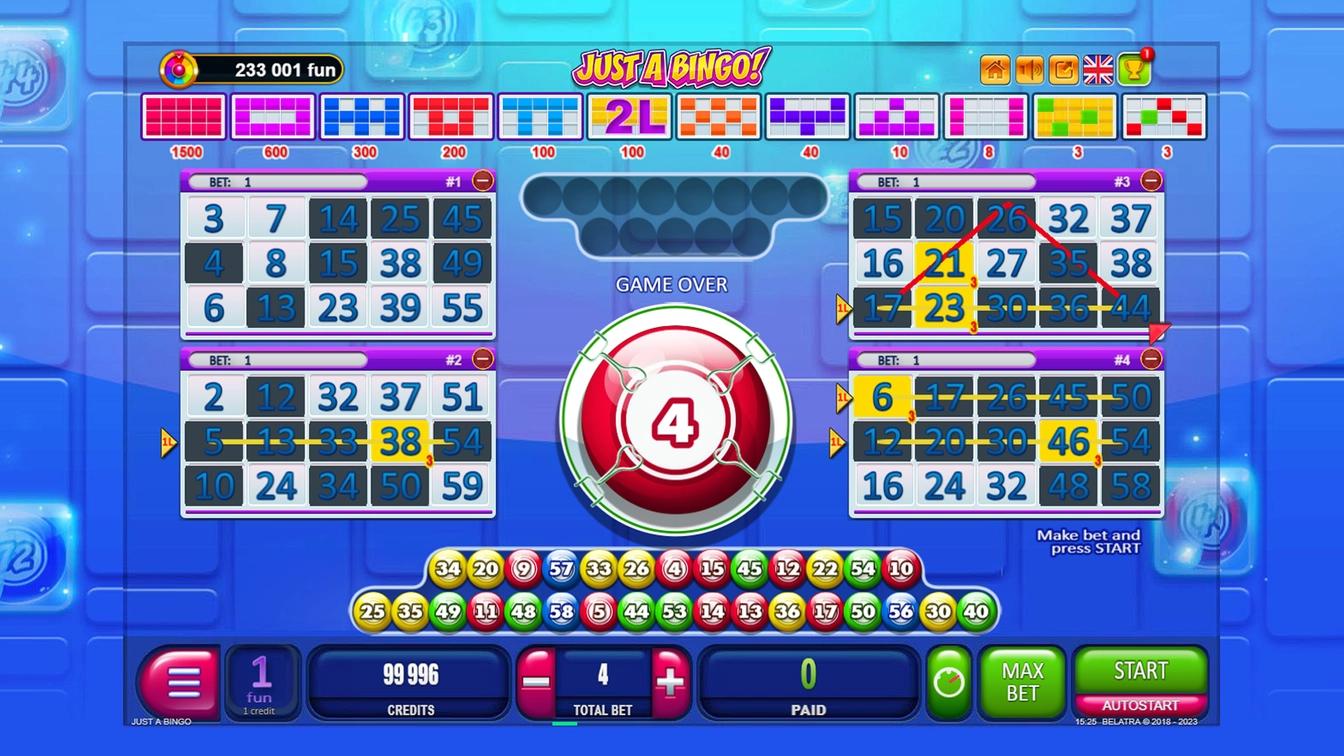
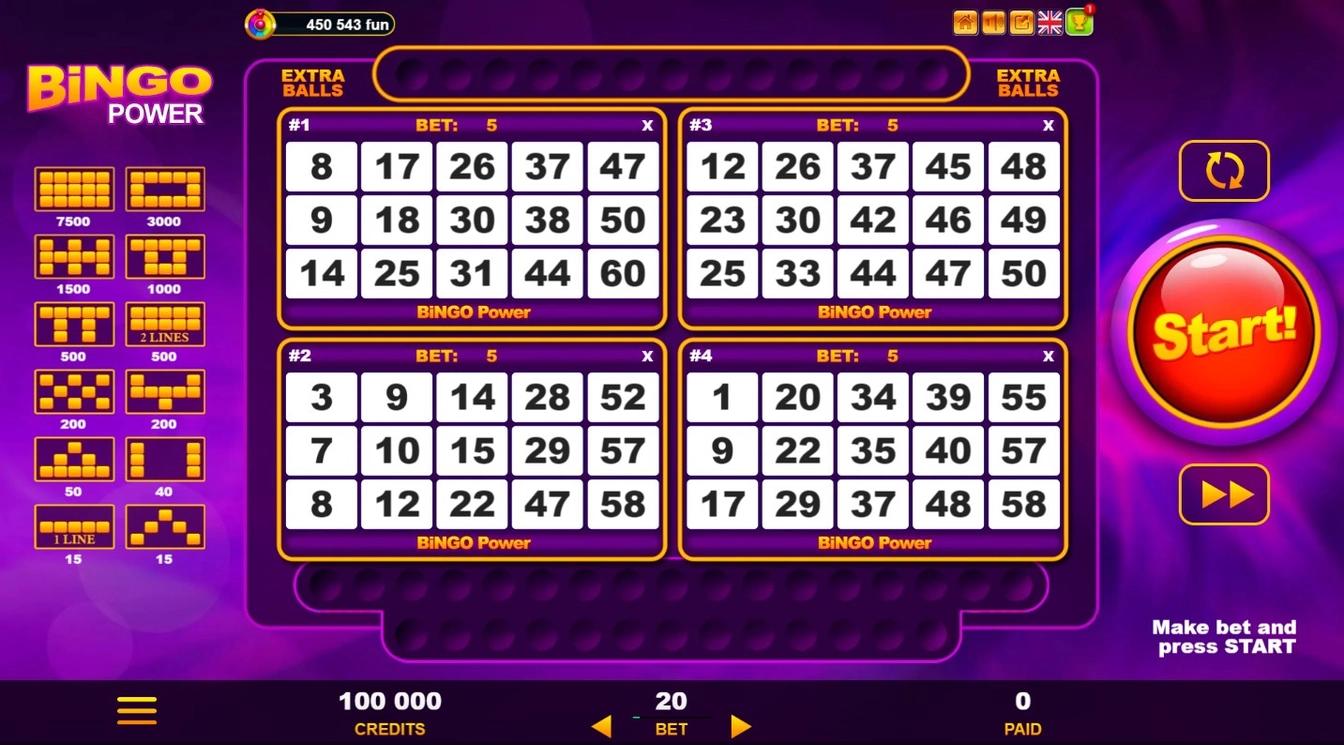
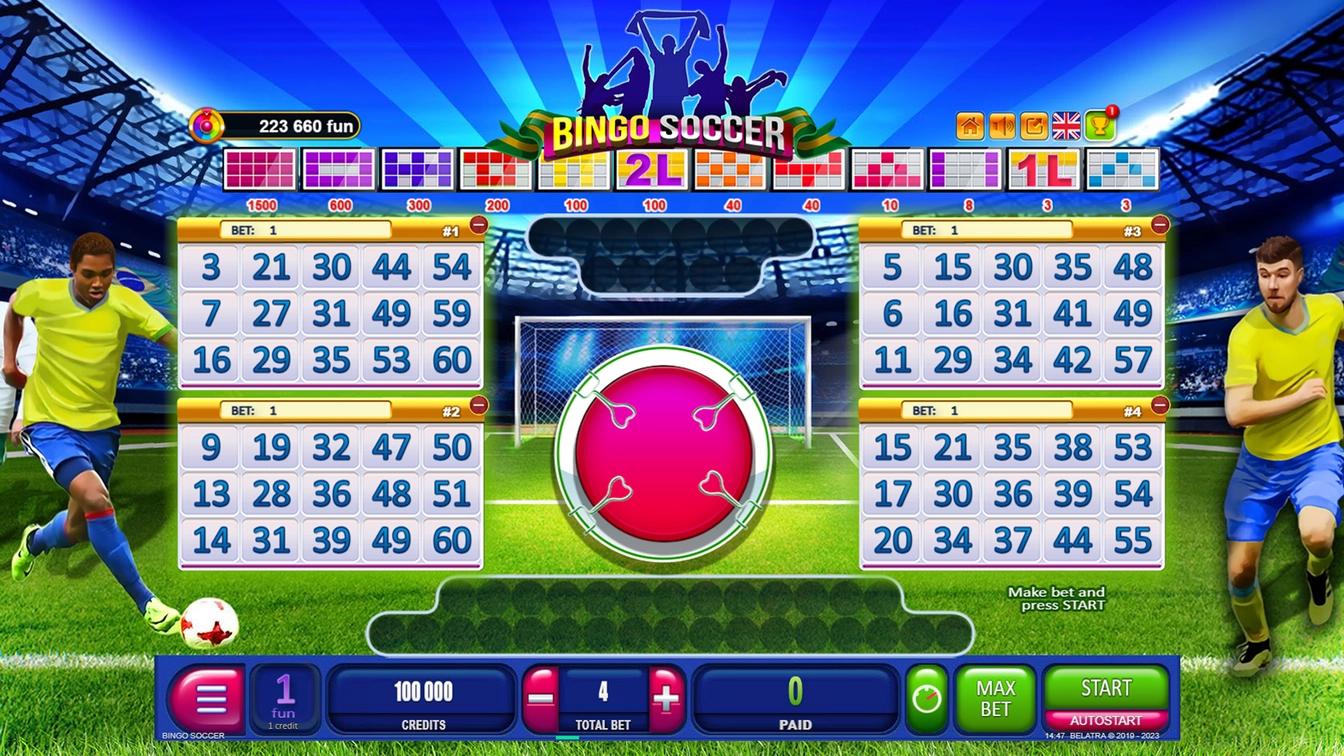
In bingo, you buy one or more cards carrying numbers, and numbers are drawn at random. You mark matches and aim to complete a set pattern, such as a line or a full card, before other players do. Prizes are usually funded from the ticket sales of that round, so the prize pool often depends on how many players take part.
Unlike a slot, a bingo game does not have a single universal RTP or volatility figure. Return depends on the specific game variant, ticket price and prize structure. Check the rules or information screen of each room for the exact details, and do not assume a return rate that has not been stated.
Session style and budgeting
Bingo rounds are typically short and ticket prices modest, which makes spending easy to track. Still, buying many cards per round multiplies your cost without changing the odds of any single card. Set a fixed session budget before you start, decide how many cards you will buy, and stop when the budget is used.
Licensing and Regulation
SIFA operates under a Spillemyndigheden licence, the regulator responsible for gambling oversight in Denmark. A Danish licence means the operator must follow national rules on player protection, advertising, and the handling of customer accounts. Players can confirm that an operator is licensed by checking the licence information shown in the site footer and comparing it with the public register kept by the regulator.
Licensed operators in Denmark are also connected to national self-exclusion tools, which let players block themselves from licensed gambling if they feel their play is becoming a problem.
Fair Play and Responsible Gambling
Fair bingo depends on a properly working random number generator. Independent testing laboratories such as eCOGRA, iTech Labs and BMM Testlabs generally test that draws are statistically random, that games pay out as their rules describe, and that software has not been altered. Regulated markets typically require this kind of testing before games go live.
You must be 18 or older to gamble. Treat bingo as paid entertainment rather than income: use deposit and time limits, never chase losses, and take breaks. If gambling stops being fun, use self-exclusion and contact a support organisation such as StopSpillet or BeGambleAware.
Frequently Asked Questions
- Is SIFA licensed?
- Yes. SIFA operates under a licence from Spillemyndigheden, the Danish Gambling Authority, and targets players in Denmark.
- What games does SIFA offer?
- The brand focuses on bingo within the casino vertical. Check the site for the specific rooms and variants currently running.
- What is the RTP of bingo at SIFA?
- Bingo return depends on the game variant, ticket price and prize structure rather than a single fixed figure. Review the rules of each game for its payout details.
- Is there a free demo?
- Free demo availability depends on the jurisdiction and the operator. Check the site directly to see whether any practice or free-play options are offered.
- How can I verify the casino's licence?
- Find the licence details in the site footer, then compare them with the public licence register published by Spillemyndigheden.