SIFA, short for Samvirkende Idræts-Foreninger Aalborg, is a Danish-facing gambling brand operating at sifa-online.dk. It is positioned in the casino vertical with bingo as its game type and is aimed at players in Denmark. This review explains what the brand offers, how licensing and fair play work in the Danish market, and how to approach bingo with sensible bankroll habits.
What SIFA Offers
SIFA is built around bingo, a lottery-style game in which players buy cards and match drawn numbers against them. The site is presented in Danish and targets the Danish market, so it suits players who prefer a local-language experience. For payment options, supported currencies and any extra features, check the cashier and help sections on the site before registering.
How Bingo Works
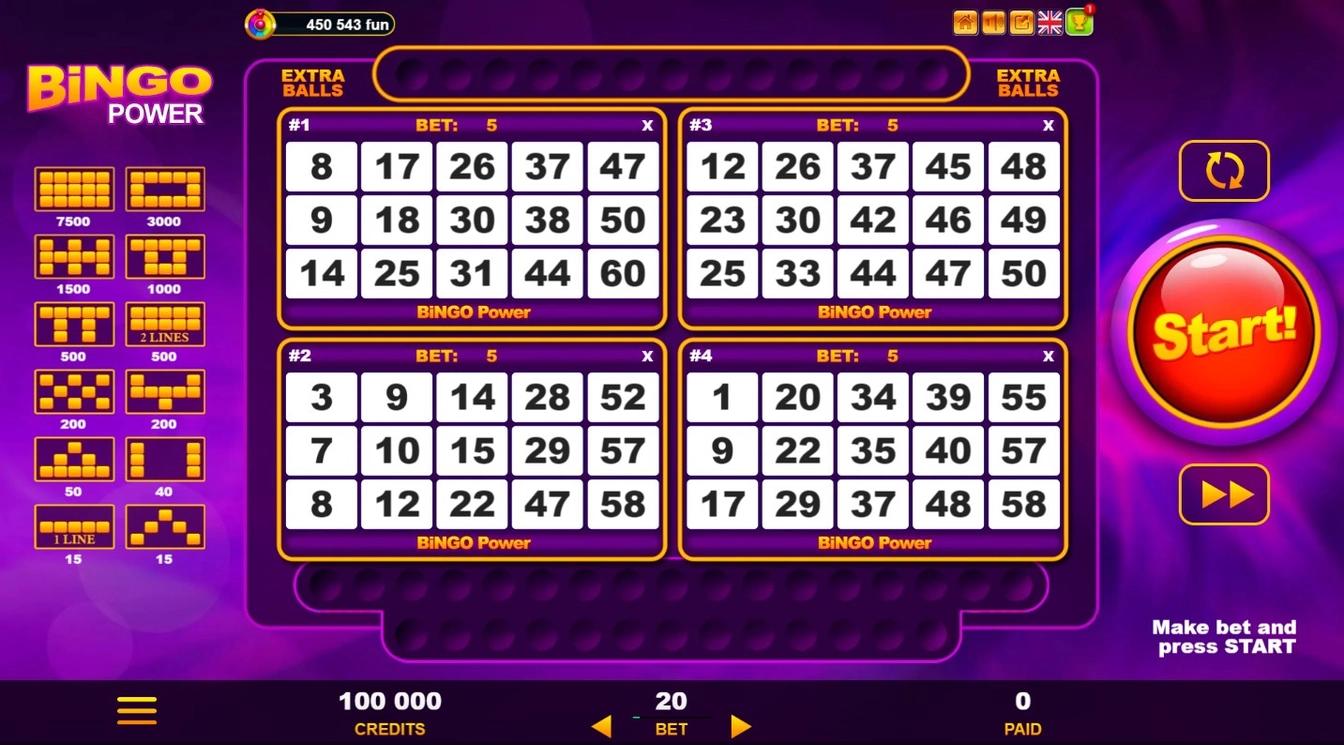
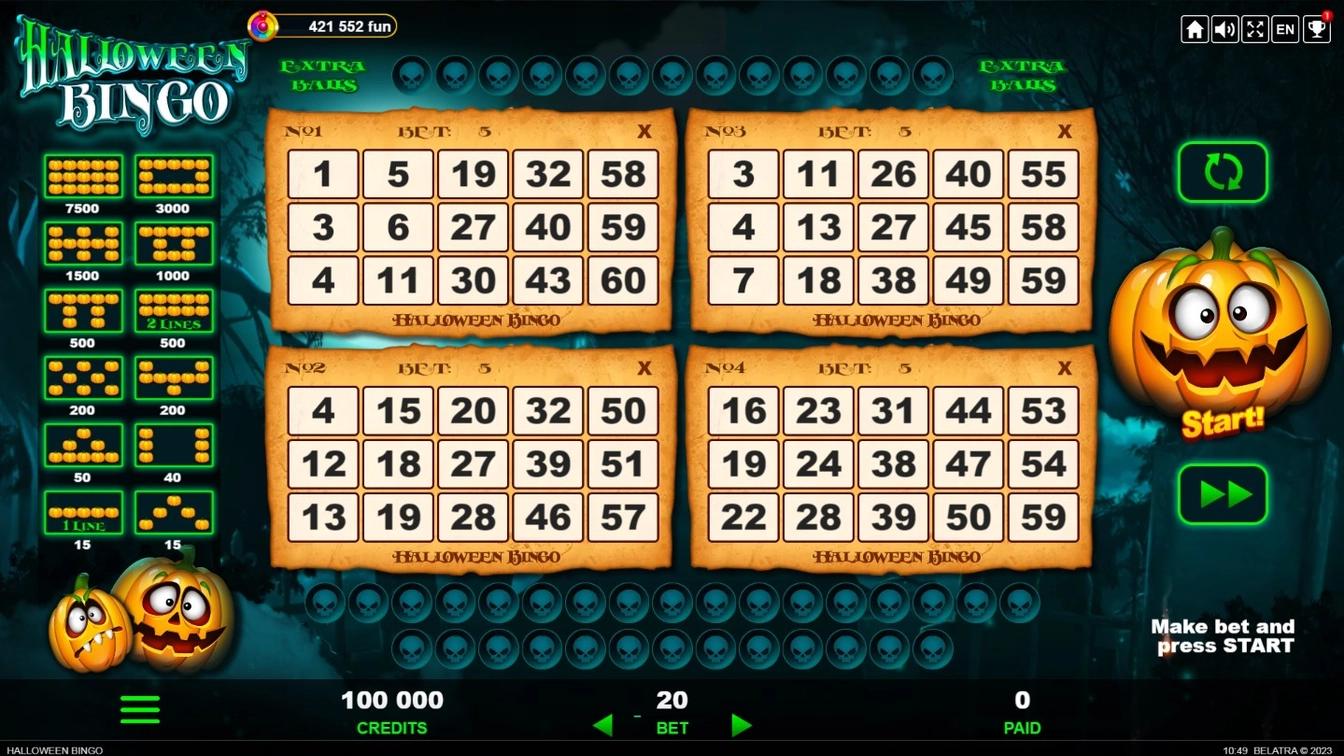
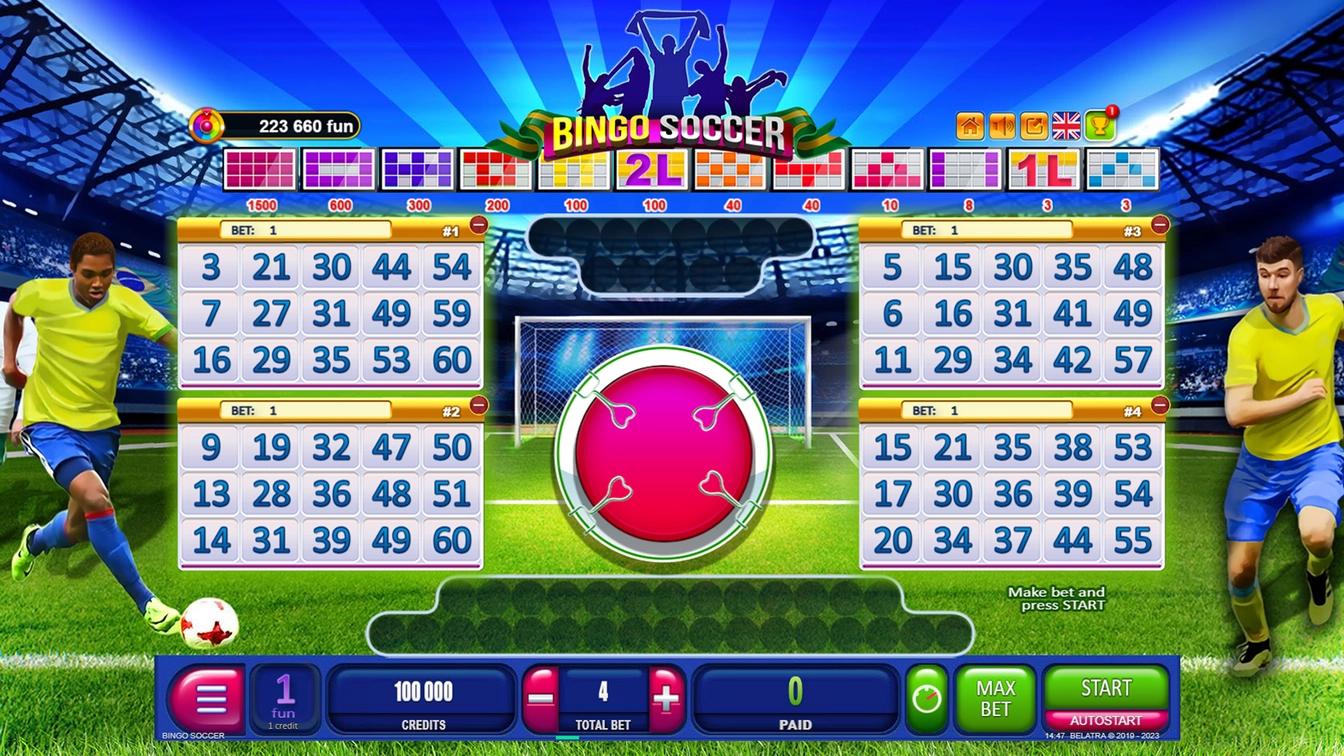
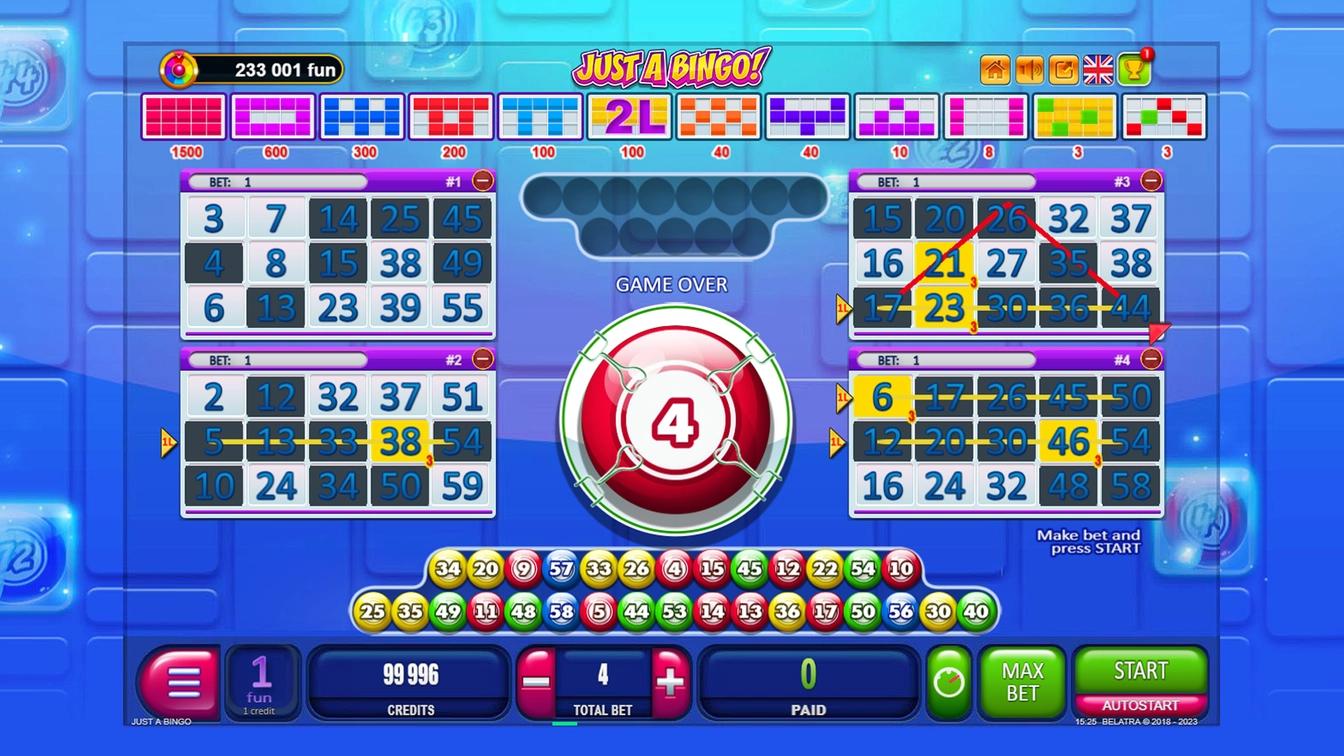
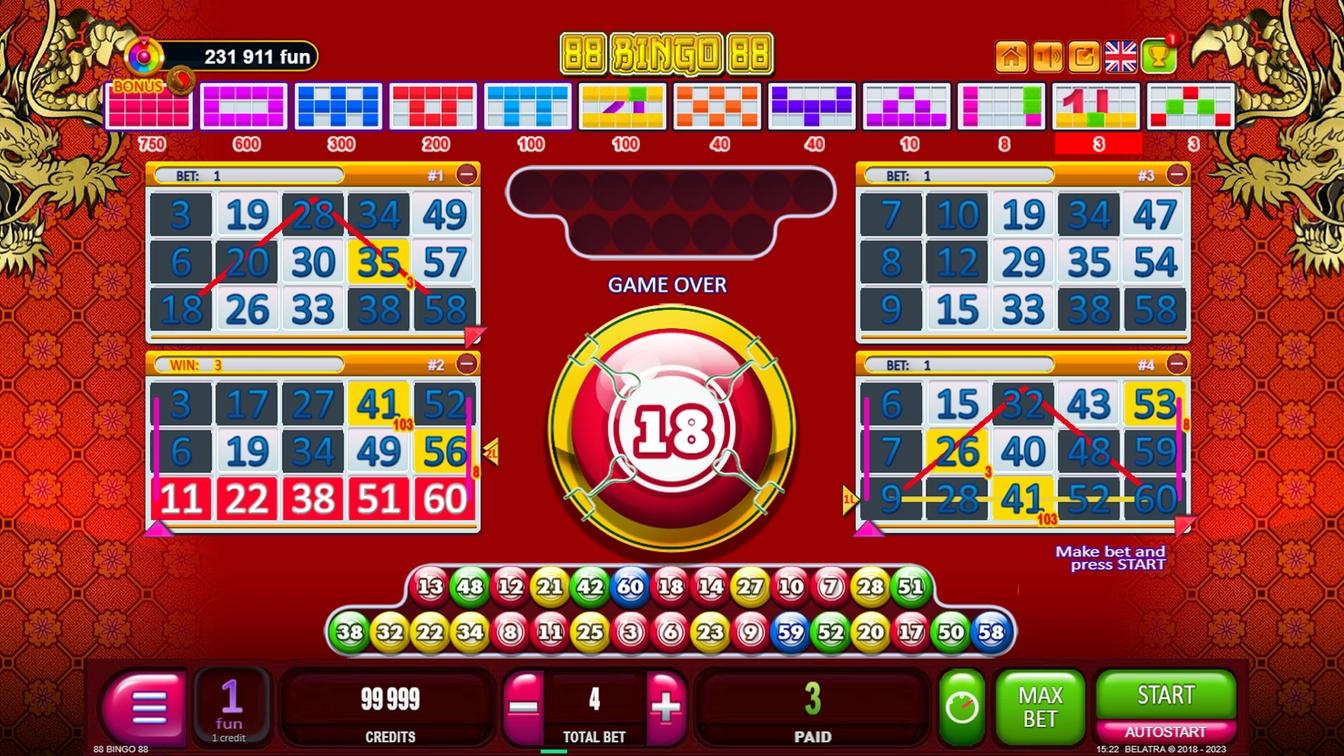
In bingo, numbers are drawn at random and players mark them on their cards. Depending on the room or variant, prizes are awarded for completing a line, several lines or a full card. Card price, number of participants and prize structure all shape the return, so the rules shown in each game room are worth reading before you buy in.
What It Means for Your Budget
Bingo is usually a lower-stakes, slower-paced game than many slots, which can make sessions last longer on a modest budget. Outcomes are still random, and no strategy changes the draw. Treat spending as entertainment cost, not as a way to earn money. Check the in-game information for payout details, as return figures can differ between rooms and variants.
Licensing and Regulation
SIFA is listed with a Spillemyndigheden licence, the Danish Gambling Authority, with the operator named as Samvirkende Idræts-Foreninger Aalborg. A Danish licence means the operator must follow national rules on player protection, advertising, age verification and the handling of player funds. It also gives Danish players access to the national self-exclusion register, ROFUS.
To verify a licence, look for the licence information in the site footer and compare it with the public register maintained by the regulator. Play only with operators that clearly show their licensing details.
Fair Play and RNG Testing
Random number generators decide outcomes in digital bingo and casino games. Independent testing labs such as eCOGRA, iTech Labs and BMM Testlabs typically examine whether the RNG produces unpredictable results, whether published game rules match actual behaviour, and whether payout calculations are accurate. In regulated markets, game systems are usually required to pass this kind of technical assessment before they are offered to players. Check the site's help or terms pages for details about its game providers and testing.
Responsible Gambling
Gambling is for adults aged 18 and over, and it should stay within what you can afford to lose. Set deposit and time limits before you start, decide on a budget in advance and do not chase losses. Danish players can use the operator's own limit tools and register with ROFUS to block access to licensed sites. If gambling stops feeling like entertainment, organisations such as StopSpillet offer free, confidential support.
Frequently Asked Questions
- Is SIFA licensed in Denmark?
- SIFA is listed under a Spillemyndigheden licence, with Samvirkende Idræts-Foreninger Aalborg as the operator. You can confirm the details in the site footer and on the regulator's public register.
- What games does SIFA offer?
- The brand focuses on bingo within its casino offering. Check the lobby for the rooms and variants currently running.
- Is there a free demo?
- Free demo availability depends on the jurisdiction and the operator. Look in the game lobby or ask customer support to see whether a practice mode exists for the game you want.
- Is bingo at SIFA fair?
- Licensed operators must use tested and approved game systems, and independent labs generally verify RNG randomness and payout accuracy. Read the game rules and terms for specifics.
- How can I keep my play under control?
- Set deposit and time limits, keep to a fixed budget and take regular breaks. Danish players can also register with ROFUS for self-exclusion from licensed operators.